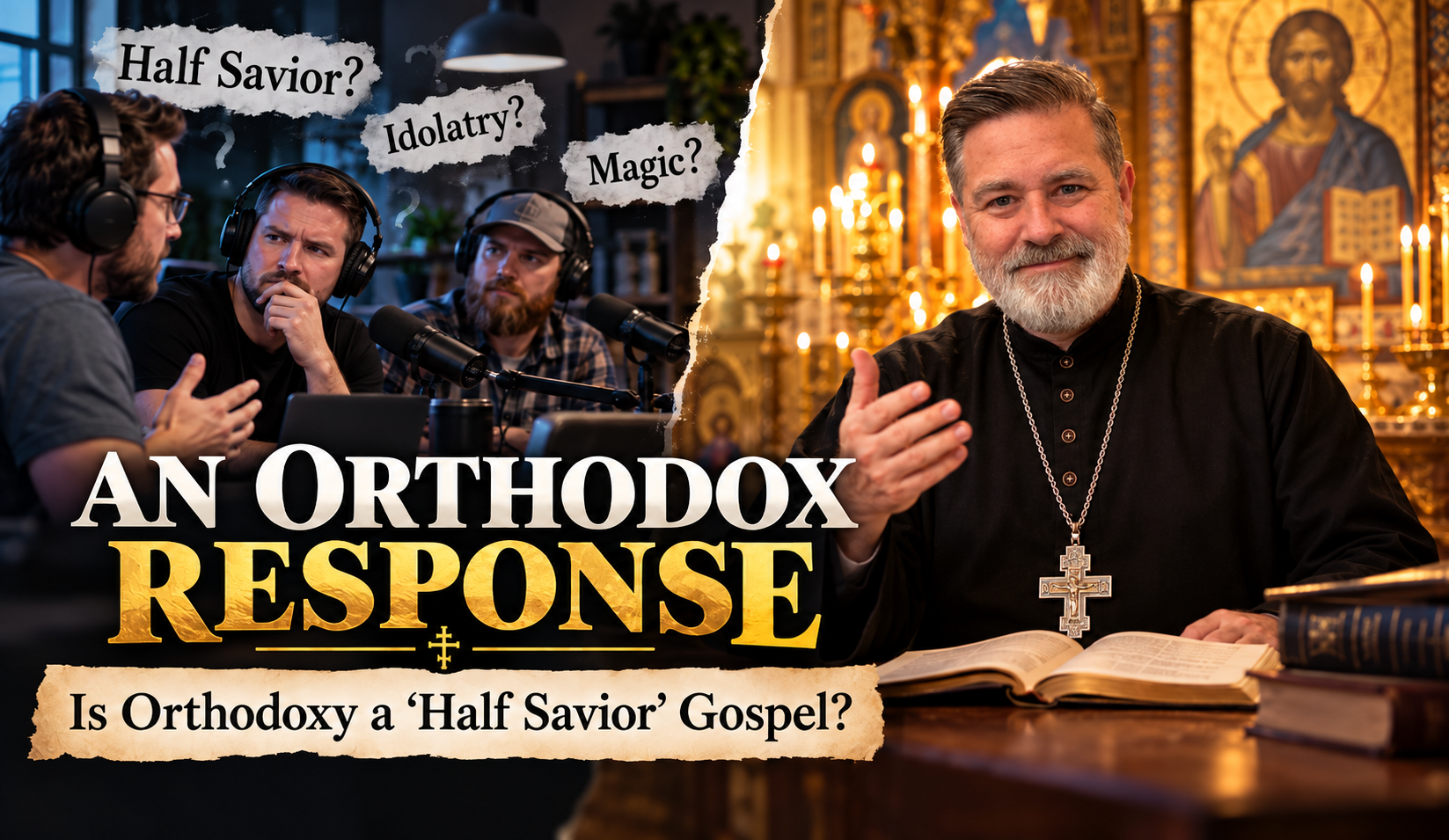

There is a terrifying moment that comes for many Christians when they begin to realize that they may have inherited a faith built more on slogans than on the fullness of the Gospel.
For some, it happens while reading the Epistle of James for the first time with open eyes: “You see then that a man is justified by works, and not by faith only” (James 2:24). For others, it comes while reading the early Church Fathers and discovering that the ancient Christians spoke about salvation very differently than modern evangelicalism. Still others encounter it when suffering enters their lives and they discover that salvation is not merely a legal declaration, but a lifelong transformation into holiness through union with Christ.
The modern Christian world often reduces salvation to a courtroom transaction. Believe the right facts. Say the sinner’s prayer. Trust in faith alone. Case closed.
But is that truly how the Apostles taught salvation?
Was the doctrine of justification by faith alone really the faith once delivered to the saints?
And perhaps even more importantly, how did this doctrine come to reshape nearly all of Protestant Christianity after the Reformation?
These are not small questions. They touch the very heart of what it means to be saved, to know Christ, and to participate in the life of God Himself.
The answers require us to go back before modern denominations, before revivalism, before Protestantism, and even before Rome’s later scholastic developments. We must go back to the ancient Church.
Because Christianity did not begin in the sixteenth century.
It began with Christ, His Apostles, and the Church they established.

You can Now Listen to Each Article
What Is the Doctrine of Justification by Faith?
In simple terms, the Protestant doctrine of justification by faith teaches that a person is declared righteous before God solely through faith in Jesus Christ and not through works.
The Reformers argued that humanity is incapable of contributing anything toward salvation because mankind is utterly corrupted by sin. Therefore, justification is understood as a legal declaration by God in which Christ’s righteousness is imputed, or credited, to the believer.
Martin Luther (1483 to 1546) especially emphasized this point. For Luther, justification was primarily forensic, meaning legal or judicial. God declares the sinner righteous even though the sinner remains internally sinful.
This became one of the foundational pillars of the Protestant Reformation.
The famous slogan became:
Sola fide.
Faith alone.
But here is where history becomes extraordinarily important.
The phrase “faith alone” appears only one time in the entire Bible.
And it appears in this verse:
“You see then that a man is justified by works, and not by faith only.”
James 2:24
That verse deeply troubled Martin Luther.
In fact, Luther famously referred to the Epistle of James as “an epistle of straw” because it challenged his theological framework.
That should immediately cause Christians to pause.
If a doctrine becomes so central that an Apostle’s words seem inconvenient, then perhaps the doctrine itself needs to be reexamined.
Was the Word “Alone” Added to Scripture?
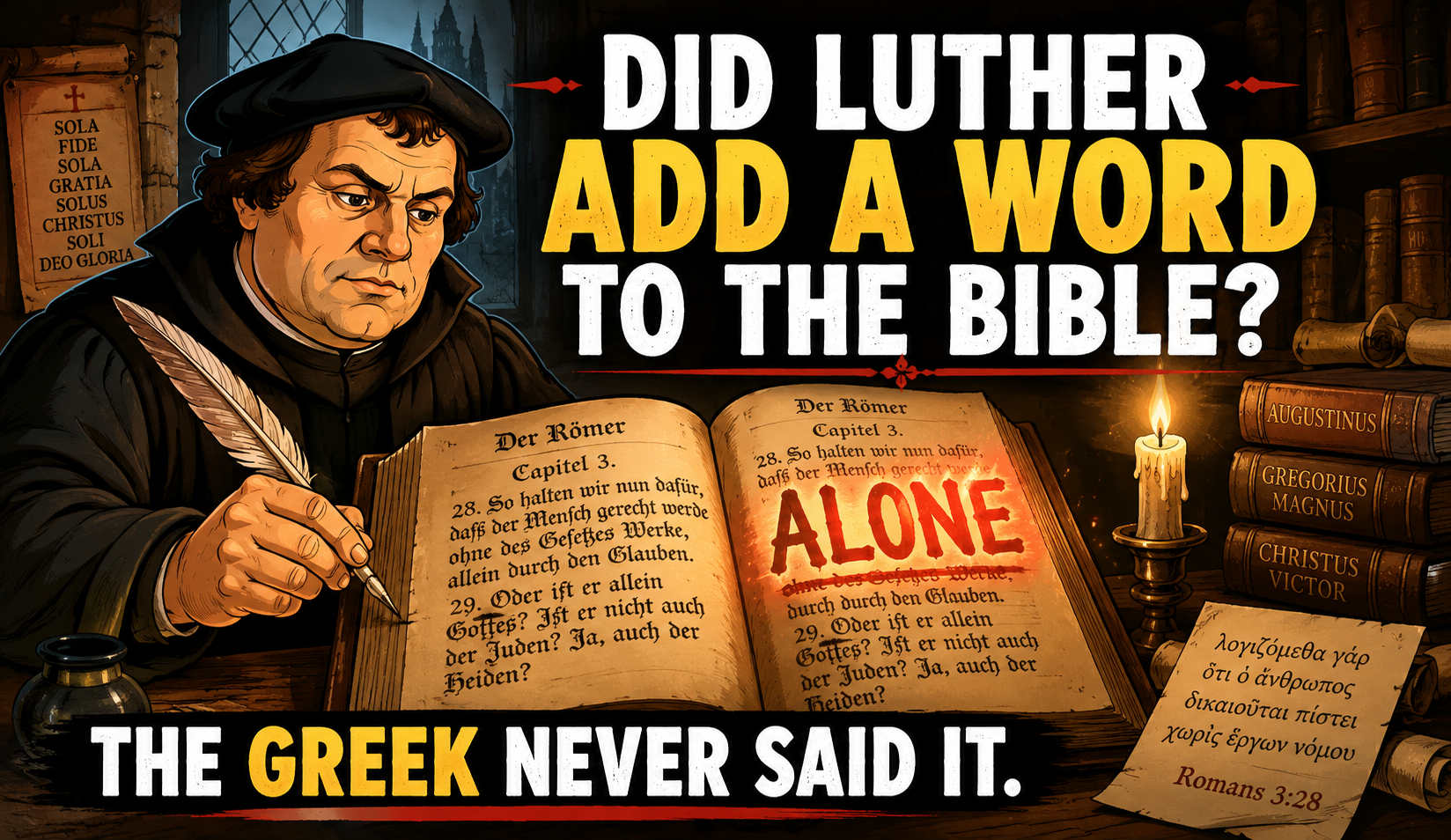
The controversy surrounding the word “alone” centers primarily on Romans 3:28.
Most modern Protestant translations read similarly to this:
“For we hold that one is justified by faith apart from works of the law.”
However, when Martin Luther translated the Bible into German, he rendered the verse:
“Man is justified by faith alone.”
The word “alone” does not appear in the Greek text.
Luther admitted this openly.
He defended the addition by arguing that it clarified Paul’s intended meaning. In Luther’s theological system, “faith alone” was necessary to protect salvation from becoming what he believed was a works based religion.
But the Orthodox Church has always rejected this addition and the theology behind it.
Why?
Because the Apostles never separated faith from obedience, transformation, repentance, sacramental life, holiness, or participation in Christ.
The Orthodox understanding is far deeper than legal categories.
Salvation is not merely about being declared righteous.
It is about becoming righteous through union with Christ.
The Apostle Paul himself says:
“Work out your own salvation with fear and trembling”
Philippians 2:12
And immediately afterward:
“For it is God who works in you both to will and to do for His good pleasure.”
Philippians 2:13
Notice the mystery here.
God acts.
Man responds.
Grace initiates.
Humanity participates.
This is not salvation by human effort.
Nor is it passive intellectual belief.
It is synergy.
The cooperation between divine grace and human freedom.
This has always been the Orthodox understanding of salvation.
How the Early Church Understood Salvation
One of the greatest historical problems for the doctrine of justification by faith alone is this:
The early Church Fathers simply did not teach it.
Not Ignatius of Antioch (c. 35 to 107).
Not Irenaeus of Lyons (c. 130 to 202).
Not Athanasius of Alexandria (c. 296 to 373).
Not John Chrysostom (c. 347 to 407).
Not Basil the Great (c. 330 to 379).
Not Augustine of Hippo (354 to 430), at least not in the way later Reformers interpreted him.
The ancient Church consistently understood salvation as participation in the life of Christ through faith, repentance, baptism, Eucharist, holiness, ascetic struggle, and perseverance.
St. Athanasius, writing in the fourth century during the Arian controversy, famously wrote:
“God became man so that man might become god.”
This is the doctrine of theosis.
Not that man becomes divine by nature, but that humanity is transformed by grace into communion with God.
This is radically different from merely being legally declared righteous while remaining inwardly unchanged.
St. Irenaeus of Lyons, writing in the late second century as a disciple of those connected to the Apostolic tradition, wrote:
“Those who do not obey Him, being disinherited by Him, have ceased to be His sons.”
Notice the language.
Salvation is relational and covenantal.
It is not merely juridical.
The early Christians viewed salvation as healing.
The modern West often views salvation as acquittal.
Those are not the same thing.
St. John Chrysostom, one of the greatest preachers of the fourth century Church, wrote:
“Faith itself is full of power, but only when accompanied by works.”
Again and again, the Fathers reject the idea that faith can exist independently from transformed living.
Because true faith is alive.
A dead faith cannot save.
That is precisely the argument of James chapter 2.
How the Reformers Were Influenced
To understand the Reformers, we must understand the historical climate they inherited.
By the late medieval period, the Western Church had indeed fallen into serious corruption and theological imbalance. Indulgences, abuses of authority, and an overly legalized understanding of salvation created enormous spiritual confusion.
Martin Luther reacted strongly against these abuses.
In many ways, his concerns were understandable.
But instead of returning fully to the mind of the early Church, the Reformers often swung the pendulum in the opposite direction.
Where medieval scholasticism sometimes reduced salvation to systems of merit, some Reformers reduced salvation to intellectual assent.
Where Rome overemphasized legal structures, Protestantism often abandoned sacramental and mystical theology altogether.
The Orthodox Church stands outside both extremes.
Orthodoxy never accepted the later Roman Catholic innovations that contributed to the crisis of the Reformation.
But neither did Orthodoxy embrace the theological conclusions of the Reformers.
Why?
Because the Orthodox Church preserved the ancient Apostolic understanding of salvation as communion with God.
Not legal fiction.
Not moral self salvation.
But transformation through Christ.
The Reformers were also heavily influenced by Augustine, especially later Western interpretations of Augustine dealing with original sin and grace. Over centuries, Western Christianity became increasingly focused on legal categories, guilt, punishment, and satisfaction.
The East retained a more therapeutic understanding.
Sin is disease.
Christ is the physician.
The Church is the hospital.
Salvation is healing.
This is why Orthodox theology feels so different from both Protestant and Roman Catholic frameworks.
It is rooted not in later medieval debates, but in the life of the ancient Church.
The Danger of Reducing Faith to Mere Belief
One of the tragic consequences of the modern interpretation of justification by faith alone is that many Christians now believe salvation is primarily about intellectual agreement.
If someone believes certain facts about Jesus, they assume they are eternally secure regardless of how they live.
But the Scriptures never speak this way.
Even the demons believe and tremble.
The New Testament repeatedly warns believers to endure, persevere, repent, obey, forgive, struggle, and remain faithful.
Christ Himself says:
“If you love Me, keep My commandments.”
John 14:15
Not because obedience earns salvation.
But because love manifests itself through communion and faithfulness.
The Orthodox Church has never taught salvation by works.
That accusation is a misunderstanding.
Orthodoxy teaches salvation by grace through faith working in love.
As St. Paul writes in Galatians 5:6:
“Faith working through love.”
Not faith isolated from love.
Not faith isolated from obedience.
Not faith isolated from transformation.
Living faith changes a person.
If it does not, then something is profoundly wrong.
The Orthodox Response to Justification
Orthodoxy does believe in justification.
But not as an isolated legal transaction detached from sanctification and union with Christ.
The Orthodox Church sees justification, sanctification, glorification, repentance, baptism, Eucharist, and theosis as interconnected realities within the life of salvation.
Salvation is not a momentary event.
It is a lifelong journey into Christ.
As I often say, Christianity is not merely about believing in God. It is about knowing Him intimately and being transformed by Him.
The goal is purity of heart.
Union with Christ.
Participation in divine life.
This is why the earliest Christians were called “The Way.”
Christianity was never meant to be reduced to a transaction.
It is a path.
A pilgrimage.
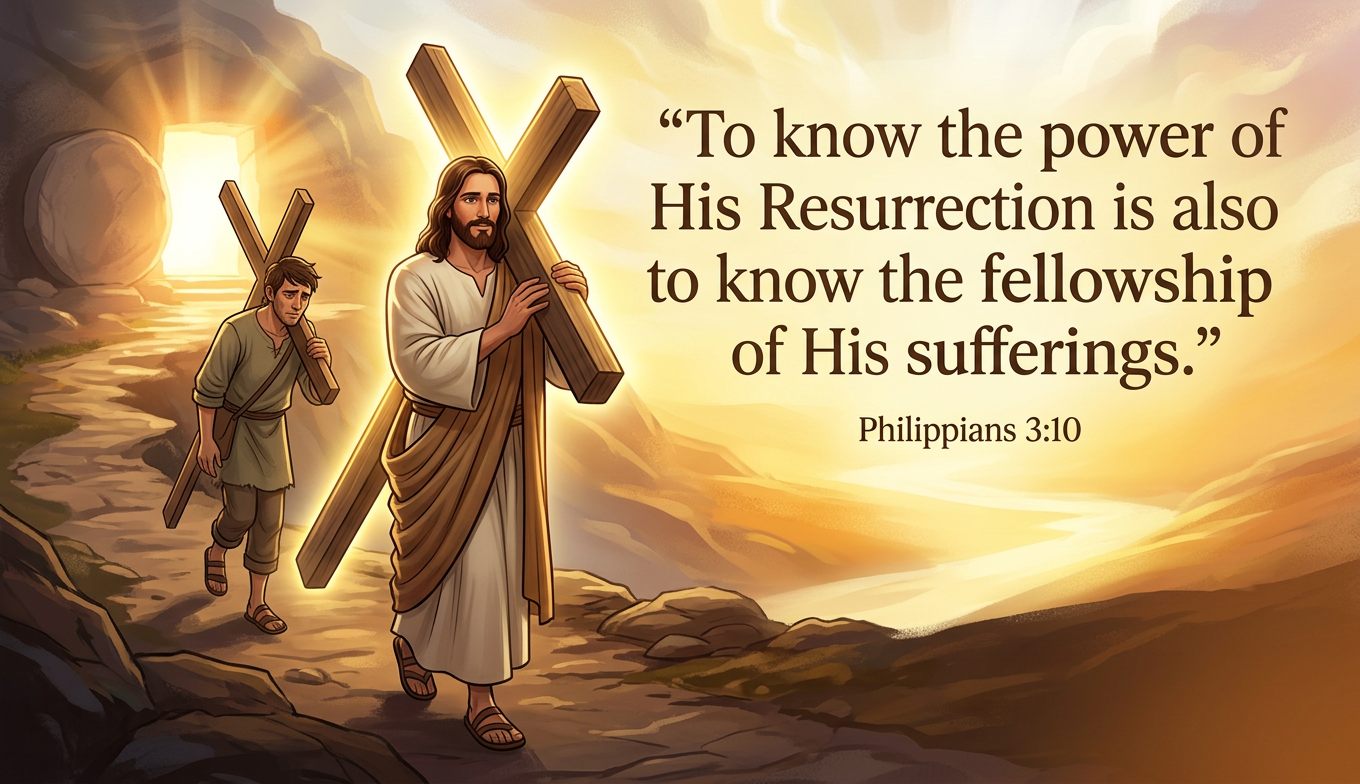
A crucifixion of the old man so that Christ may live within us.
St. Ignatius of Antioch, writing in the early second century while being led to martyrdom in Rome, said:
“It is better for a man to remain silent and be a Christian than to talk and not to be one.”
In other words, authentic Christianity manifests itself through transformed existence.
Not merely verbal confession.
Final Thoughts
The doctrine of justification by faith alone did not exist in the form modern Protestants understand it during the first thousand years of Christianity.
That should matter deeply to every sincere believer.
The Reformers were responding to real corruption and real theological problems. But in many ways, their solutions created new distortions that fragmented Christianity even further.
The Orthodox Church offers something profoundly different.
Not modern innovation.
Not reactionary theology.
But the ancient faith preserved through the centuries.
A faith in which salvation is not merely escaping punishment.
It is becoming by grace what humanity was always created to be.
Alive in Christ.
Transformed in Christ.
United to Christ.
And that changes everything.
Want the entire article distilled into one clear, printable page?
Download your free summary and keep it with you.
Get the free PDF + join thousands receiving short, practical Orthodox insights in the “Morning Brew with Father Don” to help you grow in Christ each week.