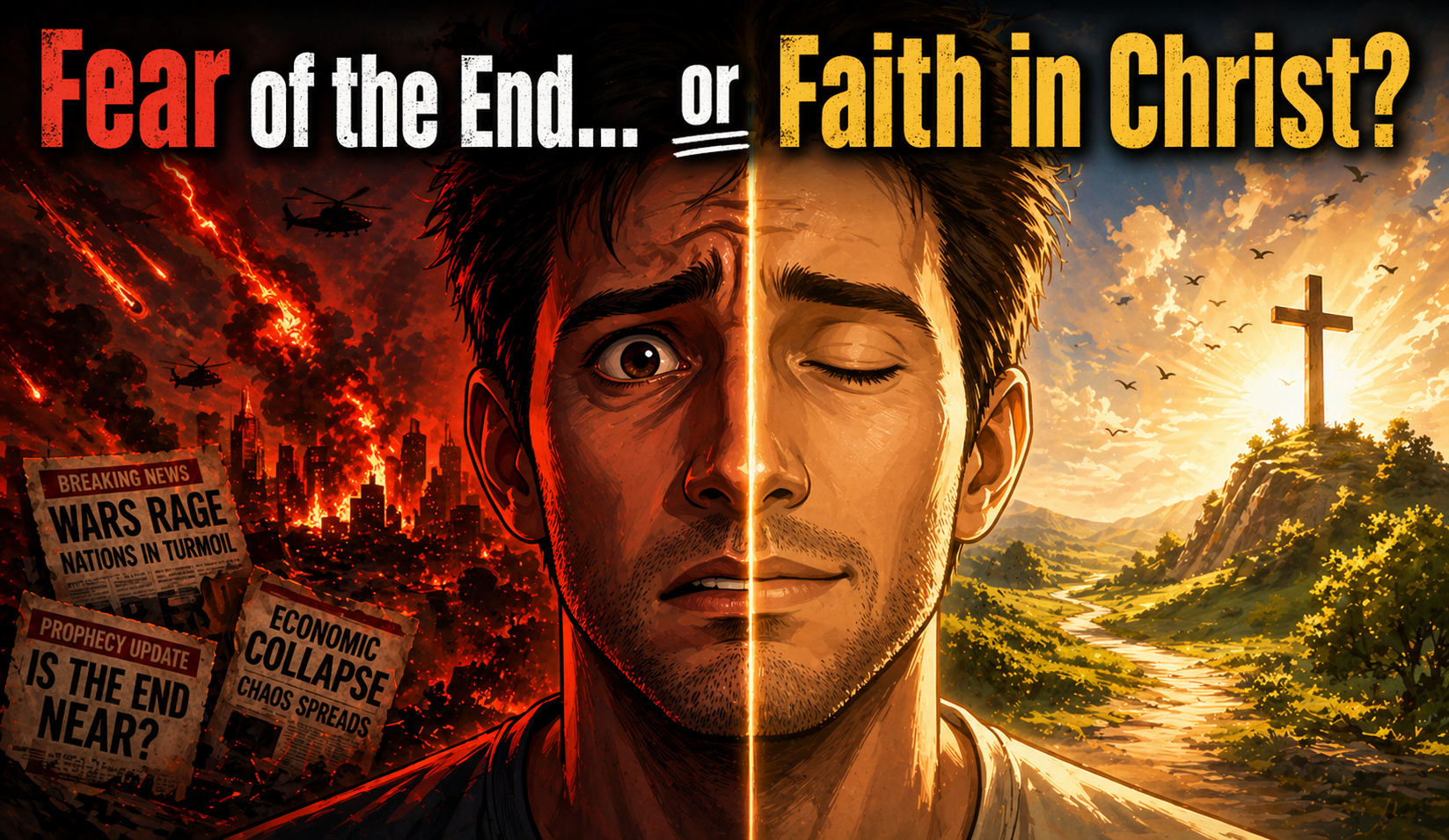
Why are so many Christians today more excited about the end of the world than they are about walking with God right now?
That question is not meant to provoke for the sake of provocation. It is meant to expose something deeply concerning about the current state of much of modern Christianity.
We are living in a moment where conversations about faith are increasingly dominated by speculation. Wars are happening. Nations are in conflict. Cultural instability is everywhere. And almost immediately, many rush to interpret these events as definitive proof that the end is here. Not near. Here.
But here is the problem. When the Christian life becomes primarily about predicting the end, it ceases to be about knowing God.
When Faith Becomes About Prediction Instead of Communion
There is a fundamental misunderstanding that has taken root. For many, faith has become centered on answering one question above all others: where will I go when judgment comes? And not just that, but how soon is that judgment going to happen?
Now listen carefully. That question matters. Judgment is real. Christ will return.
These are not symbolic ideas.
They are truths of the faith.
But when that becomes the central focus, something has gone terribly wrong.
Because Christianity was never meant to be lived as a constant state of anxiety about tomorrow.
It was meant to be lived as a faithful, obedient walk with God today.
The earliest Christians were not known for their ability to decode geopolitical events. They were known as “the way.” That is not just a title. It is a theological statement. Christianity is not merely a set of beliefs about the future. It is a path. A way of life. A lived, experiential union with God.
And that is where the tension lies today.
We have replaced the path with prediction.
We have replaced transformation with speculation.
And perhaps most concerning of all, we have replaced love with fear.
The Problem With Fear-Driven Faith
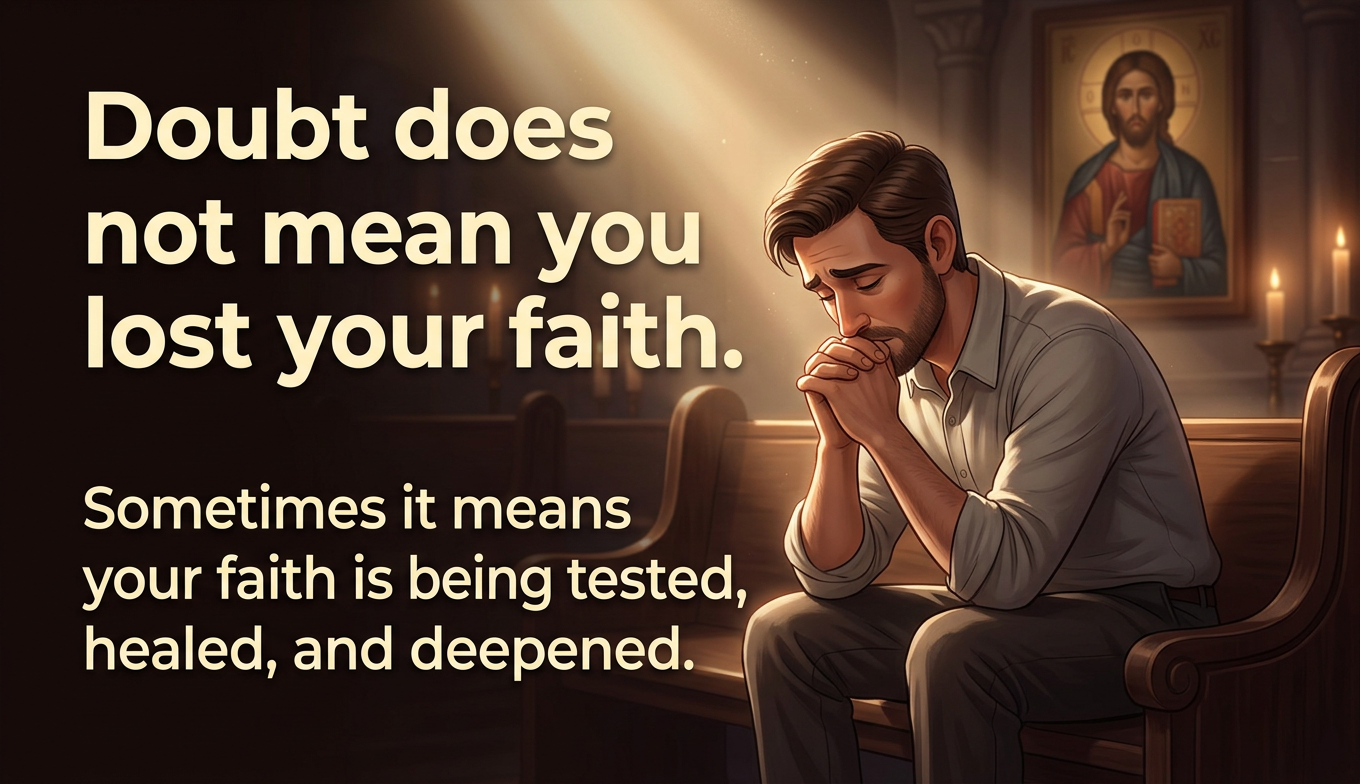
Fear is a powerful motivator. It can drive people to act quickly. It can create urgency. It can even produce outward signs of devotion. But fear, when it becomes the foundation of faith, distorts our understanding of God.
Because the question we have to ask is this: what kind of relationship is being formed when fear is the primary tool?
If the driving force behind one’s faith is the terror of being unprepared, then the relationship is not rooted in love. It is rooted in self-preservation.
And that is not the Gospel.
There is a proper place for fear in the Christian life, but it must be rightly understood. It is not a crippling anxiety about the future. It is a reverent awareness of who God is and who we are in relation to Him. Anything beyond that begins to move us away from intimacy and into distance.
A Reduced Gospel: When Everything Becomes About “That Day”
What we are witnessing right now is a kind of theological reductionism. The entire Christian life is being collapsed into a single moment in the future. Judgment day becomes the lens through which everything else is interpreted.
And when that happens, it becomes almost impossible for someone to understand a different expression of faith.
If your entire framework is built around being ready for tomorrow, then someone who emphasizes walking with God today can seem, at best, incomplete, and at worst, dangerously misguided.
But this reveals something deeper.
It reveals that for many, faith has been constructed more as a system to secure an outcome than as a relationship to be lived.
The Orthodox Vision: Salvation as a Present Reality
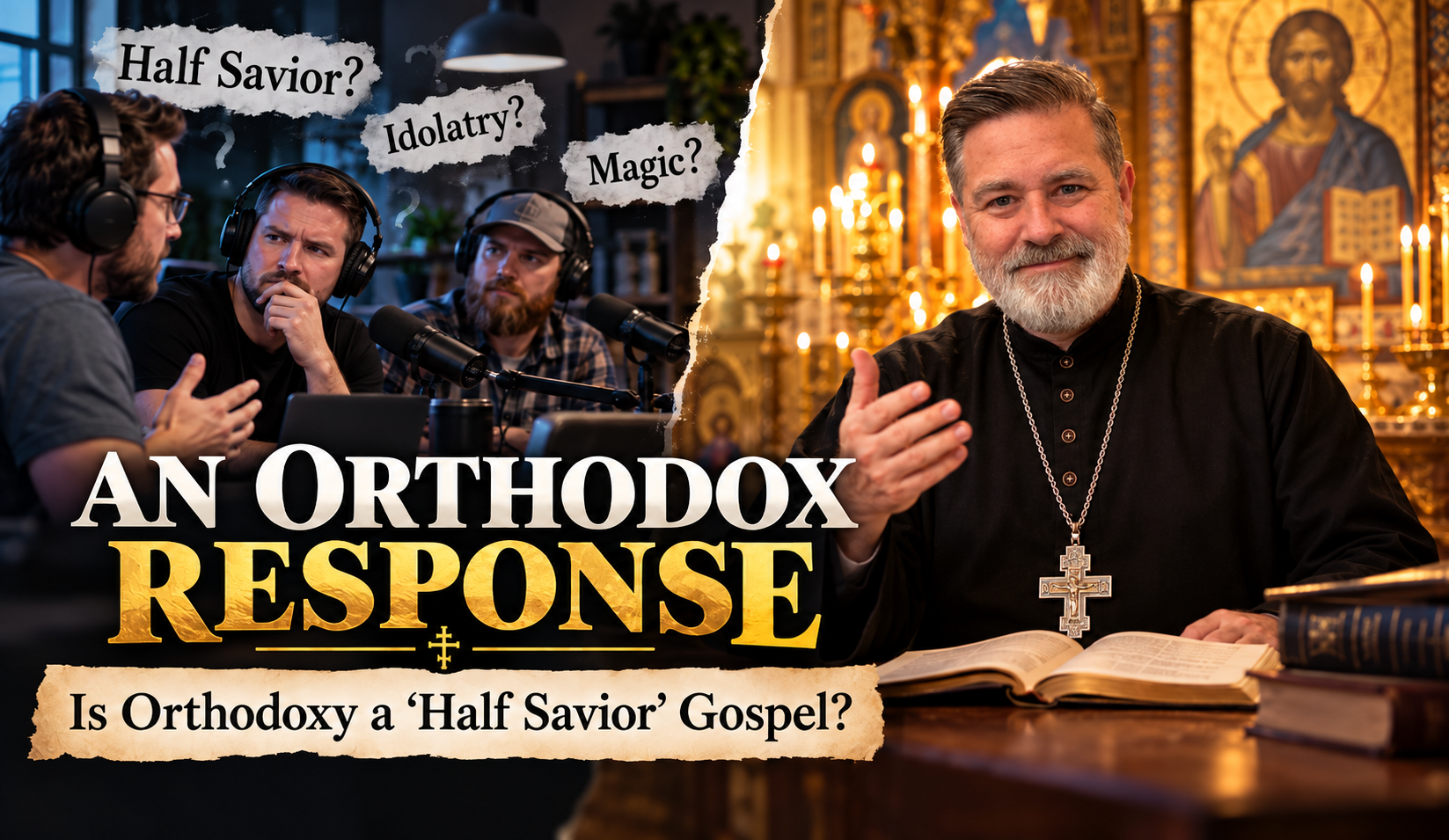
Orthodox Christianity approaches this very differently.
Salvation is not merely a future event to be secured. It is a present reality to be entered into. It is participation in the life of God. It is transformation. It is union. It is the ongoing process of becoming what we were created to be.
That changes the entire orientation of the Christian life.
It means that the question is not simply, “Am I ready for judgment?” but “Am I walking with Christ today?”
It means that faithfulness is not measured by how accurately one can interpret current events, but by how deeply one is being transformed into the likeness of Christ.
It means that the Christian life is not lived in a state of panic, but in a state of purposeful, intentional obedience.
The Chaos Around Us and the Calling Within Us
And yes, the world is chaotic.
Yes, there are wars and rumors of wars.
Yes, there are things happening that can feel overwhelming and even frightening.
But none of that changes the core calling of the Christian life.
You are called to walk with God.
You are called to live in the fruits of the Spirit.
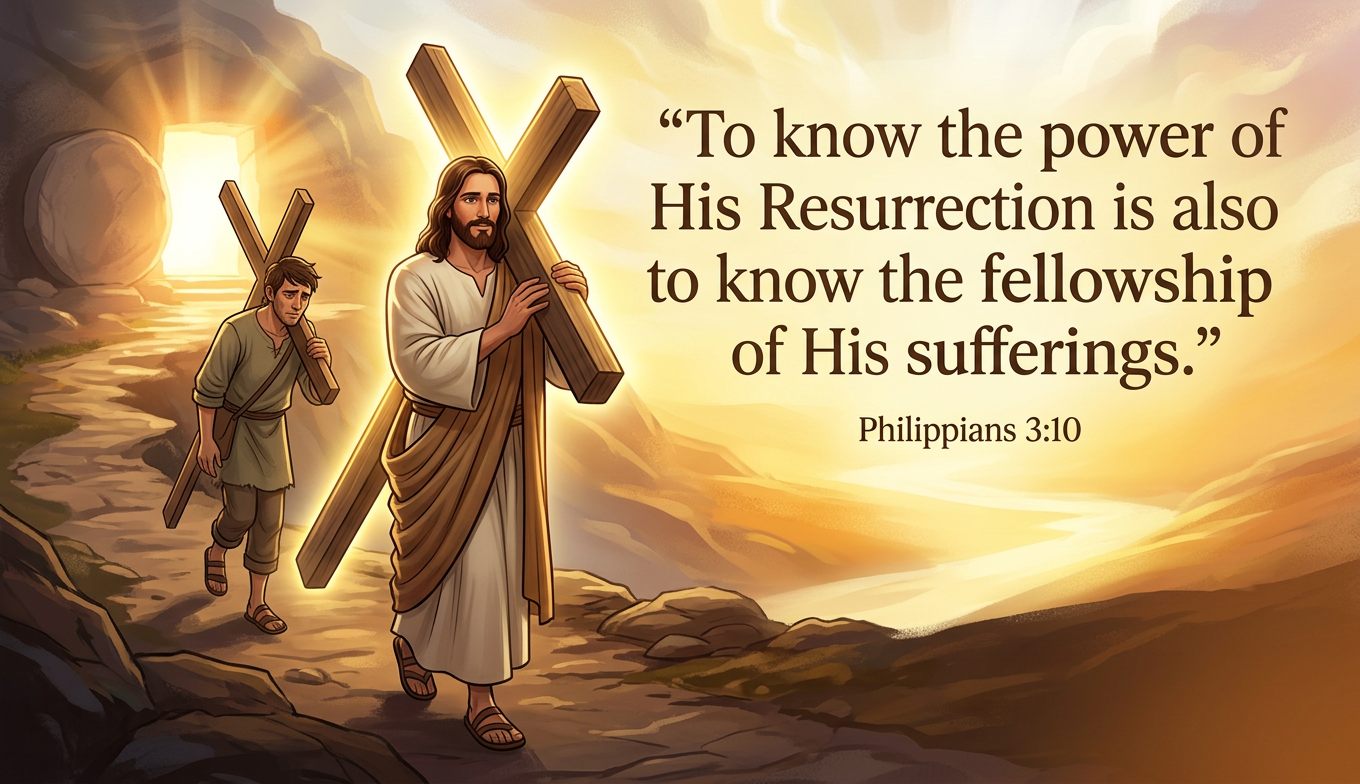
You are called to love, to forgive, to repent, to grow, to be transformed.
You are called to be faithful.
The Great Exchange: What We Lose When We Chase the End
The problem is that when we become consumed with trying to predict the end, we often neglect the very things that prepare us for it.
We trade depth for urgency.
We trade relationship for information.
We trade transformation for speculation.
And in doing so, we miss the very heart of what it means to be a Christian.
The Question That Actually Matters
So the question is not whether the end is near.
The question is whether you are near to God.
Because in the end, that is what will matter.
Not how accurately you read the signs.
But how faithfully you walked the path.
Want the entire article distilled into one clear, printable page?
Download your free summary and keep it with you.
Get the free PDF + join thousands receiving short, practical Orthodox insights in the “Morning Brew with Father Don” to help you grow in Christ each week.