There are moments in life when a question rises up within us, not casually, not intellectually, but existentially. It presses on the soul. It unsettles the heart. And one of those questions, perhaps one of the most persistent in the Christian life, is this:
“Am I truly saved?”
Or, perhaps more honestly:
“How can I be certain?”
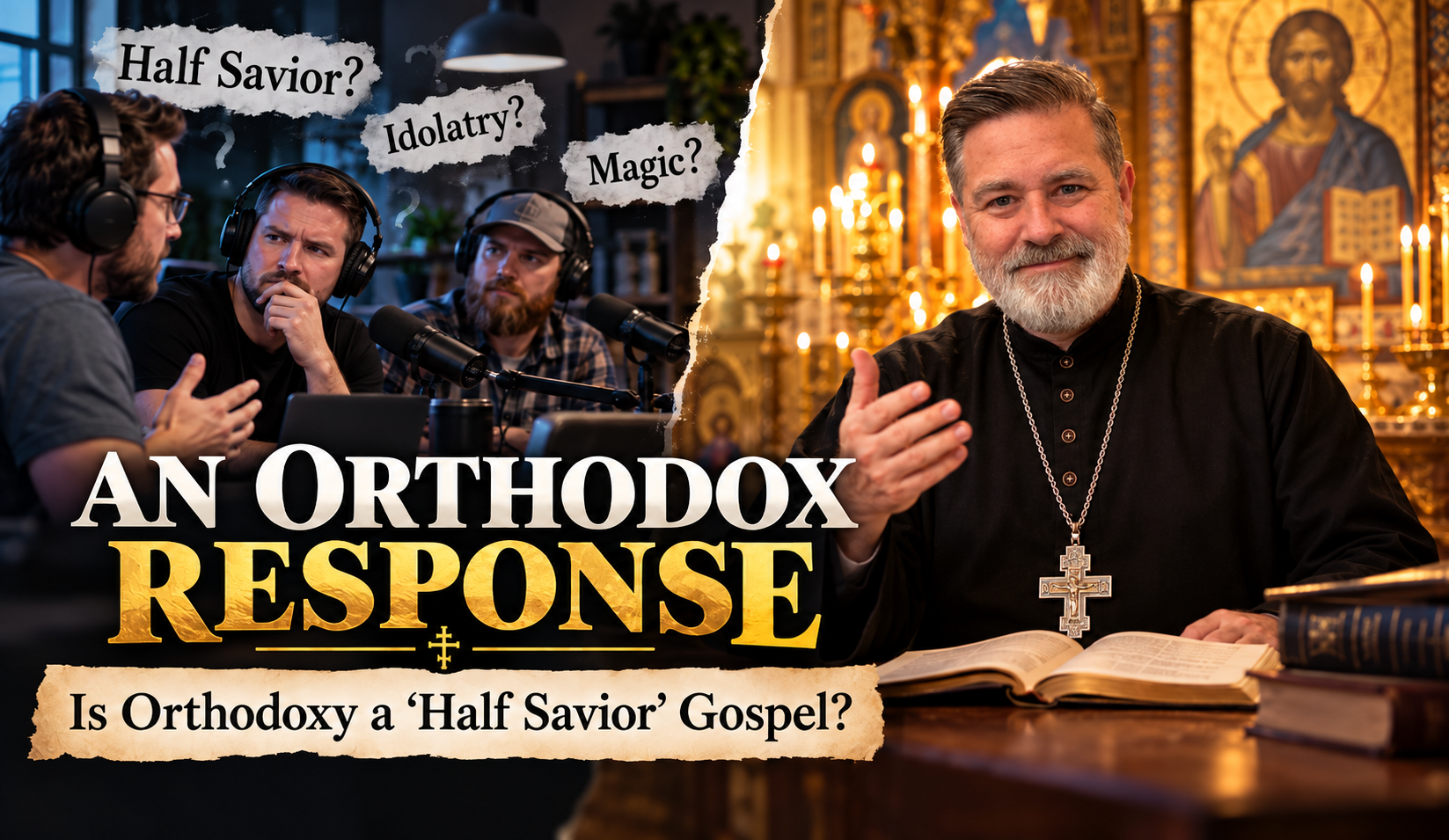
Recently, I was reflecting on a conversation that struck me deeply, one that aligns with something I have observed over many years in ministry. There are those within certain Christian traditions who speak with great confidence, absolute certainty, about their salvation. And yet, paradoxically, when they approach the end of life, that certainty often gives way to anxiety, to fear, to questioning.
On the other hand, within the Orthodox life, where such absolute declarations are not emphasized in the same way, one often finds something quite different: a quiet peace, a lack of agitation, a kind of settledness in the soul.
Now that raises a critical question:
Why?
The Illusion of Certainty
In many theological frameworks, salvation is approached almost as a transaction, something that can be secured, confirmed, and then mentally stored away as a settled matter. But what I have seen, time and again, is that this kind of certainty often leads not to peace, but to a different kind of burden.
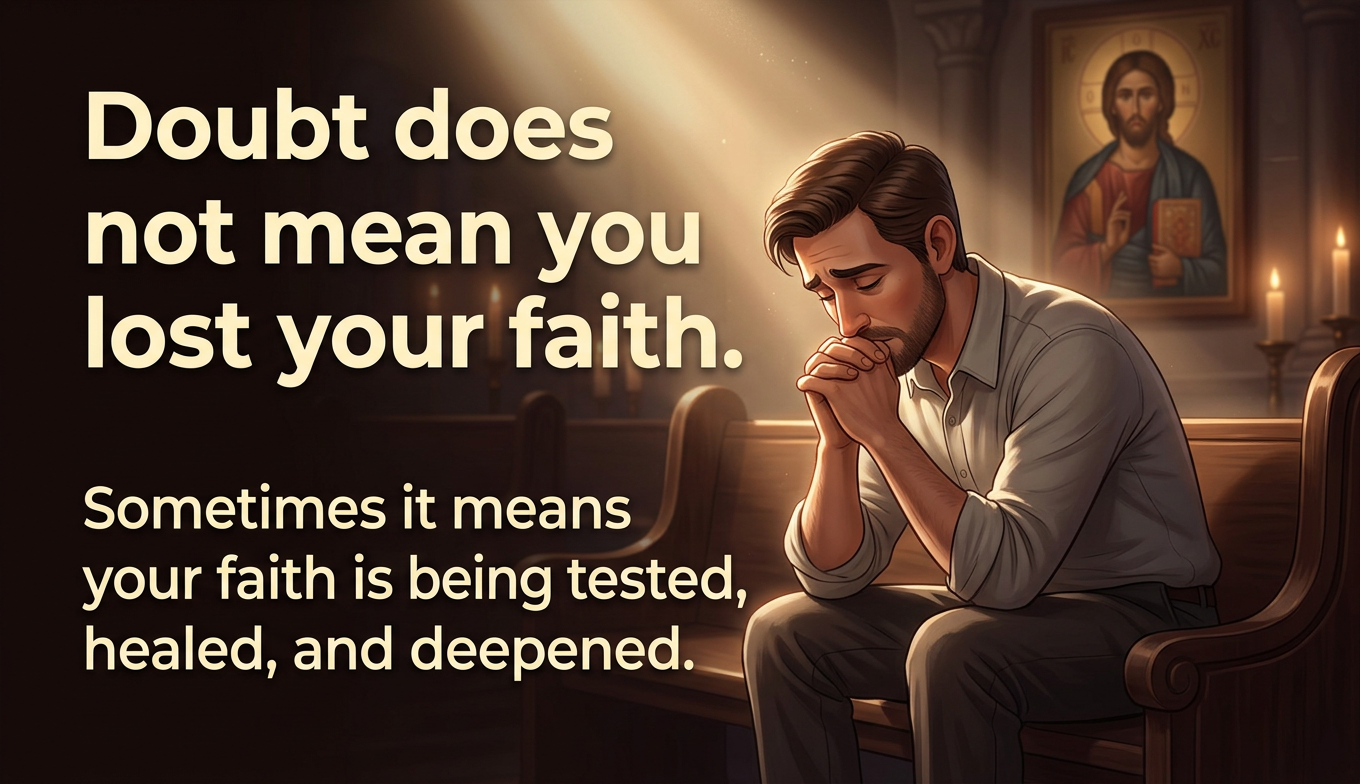
Because the question does not go away. It simply changes form.
Instead of “Am I saved?” it becomes:
- “Did I believe correctly?”
- “Was my repentance sincere enough?”
- “What if I fall away?”
And so the soul remains turned inward, constantly analyzing itself, measuring itself, evaluating itself.
This is not peace.
This is a subtle form of spiritual anxiety.
The Orthodox Reorientation: From Self to Christ
Orthodoxy does something profoundly different.
It does not answer the question of salvation in the abstract. It does not reduce it to a formula. Instead, it redirects the entire focus of the human person.
Away from self and toward Christ.
Over time, something begins to happen in the life of a person who lives within the rhythm of the Church, through prayer, repentance, sacramental life, and ascetic struggle.
The question “Am I saved?” begins to lose its urgency.
Not because it has been definitively answered in a legal sense, but because it has been transcended.
The Life of Gratitude and Love
At the heart of Orthodox spirituality is not the pursuit of certainty, but the cultivation of relationship.
We begin to live not asking:
“Have I secured my salvation?”
but rather:
“Am I loving Christ?”
“Am I responding to His mercy?”
“Am I becoming what He has called me to be?”
And this changes everything.
Because when your eyes are fixed on Christ, truly fixed on Him, you begin to forget yourself.
Not in a negligent way.
But in a liberating way.
The constant inward examination begins to quiet. The anxious striving begins to soften. And in its place, there emerges something far more stable:
A life of gratitude. A life of love. A life of response.
Why Peace Emerges
This is why, over time, the anxiety dissipates.
Not because the Orthodox Christian has solved the mystery of salvation, but because he has entered into it.
He is no longer standing outside, trying to define it, measure it, or secure it.
He is living it.
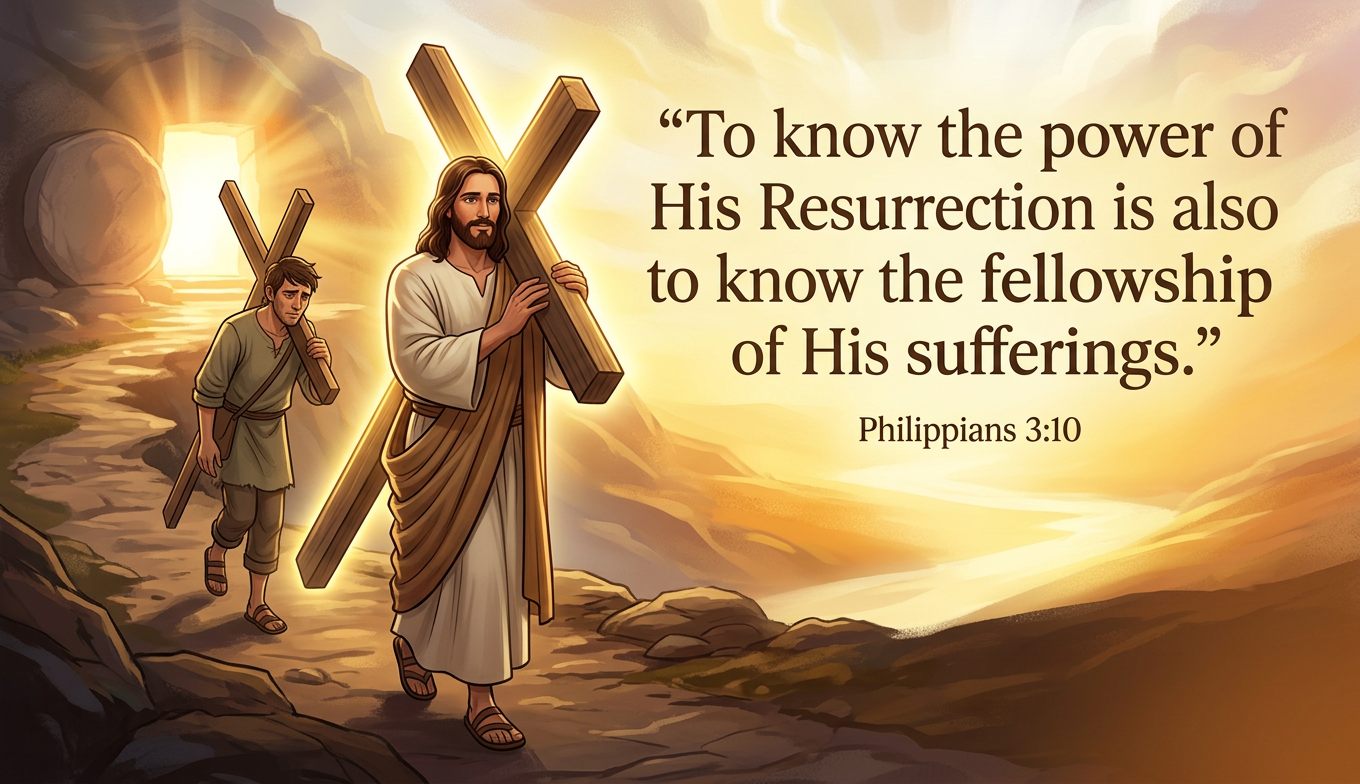
And in living it, he discovers that salvation is not merely a destination, it is a way of being. A way of communion. A way of transformation.
The Subtle Danger of the Wrong Question
Let me say something that may sound difficult, but is necessary.
Sometimes the very question “How can I be absolutely certain?” is rooted in the wrong orientation.
It is a question centered on control.
On securing an outcome.
On removing mystery.
But the Christian life, especially as understood in the Orthodox tradition, is not about mastering God or reducing Him to certainty.
It is about encountering Him.
And encounter always carries mystery.
The Invitation
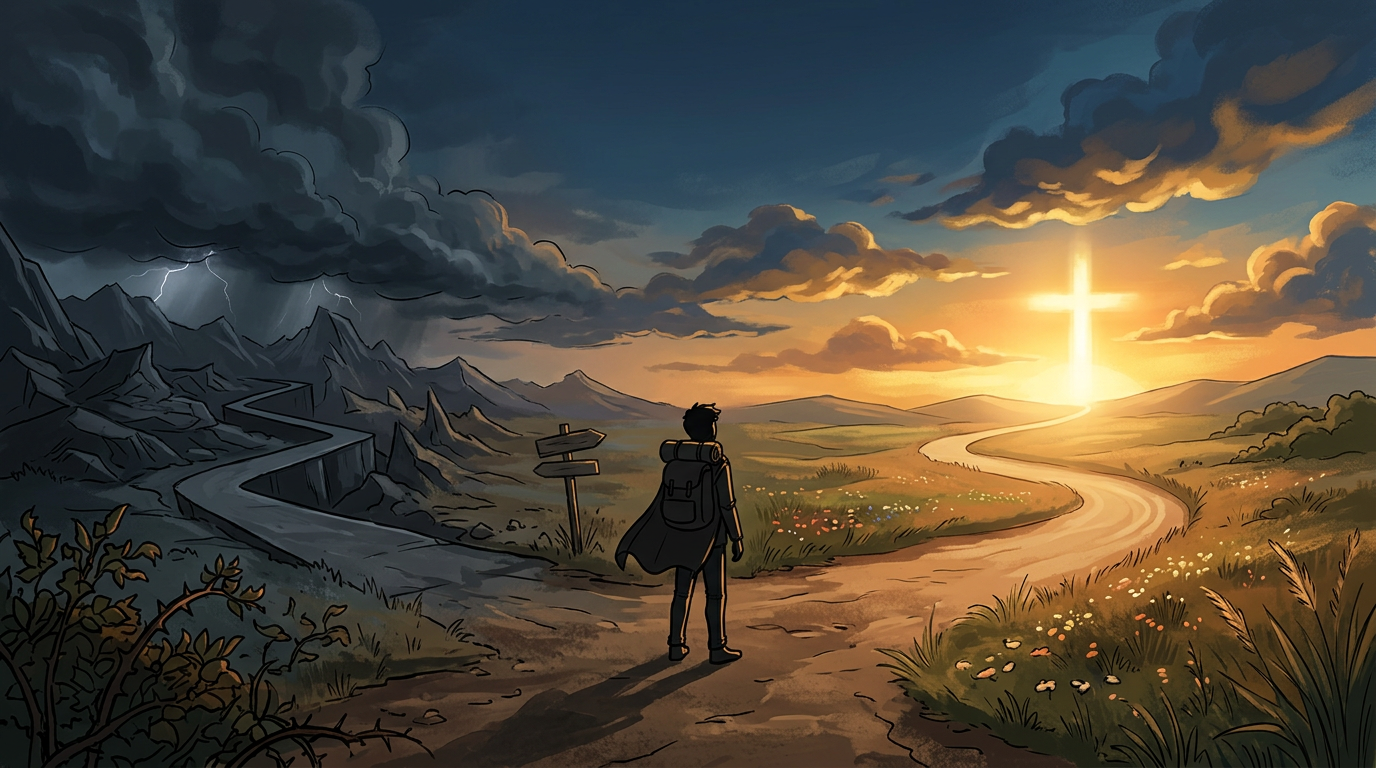
So perhaps the question is not:
“How can I be certain that I am saved?”
Perhaps the better question is:
“Am I walking with Christ?”
“Am I responding to His love?”
“Am I being transformed?”
Because when those questions become primary, something remarkable happens:
Peace begins to take root.
Not because everything is intellectually resolved, but because the heart has found its proper place.
Final Thought
In the end, the Orthodox life does not give us the kind of certainty the world often demands.
It gives us something far greater:
A living relationship with Christ.
And in that relationship, over time, fear gives way to trust, anxiety gives way to peace, and the soul, no longer fixated on itself, begins to rest in Him.
Grace and Peace,
Father Don